Charlotte NC Locksmith Service Team
Local locksmith team
Aug 7, 2026 9 min read
Running a business in Charlotte means juggling a lot — staffing, customers, inventory — and your building's security can quietly fall to the back burner until something goes wrong. Whether you manage a storefront on East Boulevard, a suite in a Uptown high-rise, or a small shop in Plaza Midwood, the locks, hardware, and access systems protecting your space deserve the same deliberate attention you give to your alarm system or insurance policy. This checklist is built specifically for Charlotte business owners and office managers who want to get ahead of security gaps before they become expensive problems.
From mortise lock installations to master key systems and panic bar compliance, this guide walks you through the key decisions every Charlotte commercial property should make — and explains when it's time to call a professional commercial locksmith rather than patch things together with a trip to the hardware store.
## Why Charlotte Offices and Storefronts Need a Dedicated Commercial Locksmith
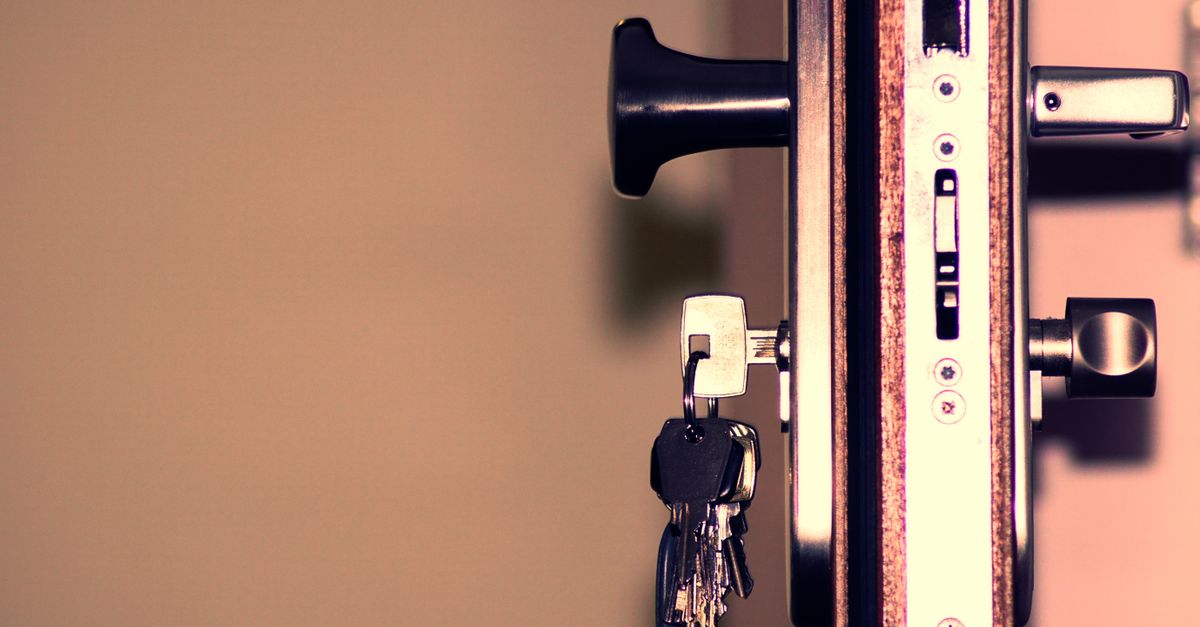
Commercial security is a completely different discipline from residential locksmithing. The hardware is heavier-duty, the liability stakes are higher, and the code requirements — particularly around egress and fire safety — are non-negotiable. A mortise lock, for example, is the gold standard for commercial doors: it sits inside a pocket cut into the door edge, integrating the latch, deadbolt, and strike into a single reinforced unit that is far more resistant to kick-ins and forced entry than a standard cylindrical knob lock. Many older Charlotte storefronts still rely on outdated door knob locks or simple deadbolts that simply are not rated for high-traffic commercial use. Swapping those out for a proper mortise lock is one of the highest-impact upgrades a business can make.
Charlotte's commercial corridors — from Tryon Street Uptown to the South End retail strips and the small-business clusters in NoDa — see a huge range of foot traffic and tenant turnover. That environment puts constant stress on door hardware and creates persistent rekeying needs whenever an employee leaves or a lease changes hands. Partnering with an experienced commercial locksmith service means you have a single qualified team who knows your property, your hardware, and your history, rather than starting from scratch every time an issue arises.
## Master Key Systems: The Smartest Access Decision for Multi-Suite Properties
If you manage more than one suite, have multiple staff members with different access levels, or share a building with other tenants, a master key system is worth serious consideration. A properly designed master key hierarchy lets you hold a single key that opens every lock in the building, while individual employees carry keys that only open the doors they need. A shift manager can access the stockroom and office, while a part-time sales associate only accesses the sales floor. This kind of layered access eliminates the chaos of dozens of individual keys and dramatically reduces the risk of unauthorized entry when someone leaves the company.
Setting up a master key system is not a DIY project — it requires precise cylinder pinning and a documented key control plan so duplicate keys cannot be cut without your authorization. Our team maps out your access levels before cutting a single key, and we use restricted keyways that add a meaningful layer of control. We also recommend pairing your master key system with a mortise lock on your primary entry, since mortise hardware accepts interchangeable core cylinders that make future rekeying fast and clean. If your Charlotte office is growing and you are adding staff or expanding into adjacent suites, this is the right time to call (704) 850-6756 and let us design a system that scales with you.
## Panic Bars, Door Knob Locks, and Code Compliance on Commercial Doors
If your storefront or office has a door that serves as a fire exit or primary egress, North Carolina building code requires a panic bar — also called a crash bar or exit device — rather than a keyed knob or deadbolt alone. Panic bars allow occupants to exit quickly in an emergency by pushing a horizontal bar rather than turning a handle or finding a key. Many small Charlotte businesses inherit older exit hardware that is worn, misaligned, or not code-compliant, which can create both legal liability and genuine safety risk during an emergency evacuation.
Beyond panic bars, review every door knob lock and lever in your space for grade rating. Commercial hardware is graded by ANSI standards — Grade 1 is the heaviest duty, designed for high-traffic exterior doors, while Grade 3 is more appropriate for light interior use. A Grade 3 lever on a back-alley entrance to a Charlotte restaurant or boutique is the wrong tool for the job. Our team inspects existing hardware, identifies mismatched or worn components, and recommends purpose-right replacements — including mortise lock sets for primary entries, Grade 1 levers for interior corridors, and properly tensioned panic hardware for all egress points.
## Access Control for Uptown Businesses and Small Shops: What to Consider
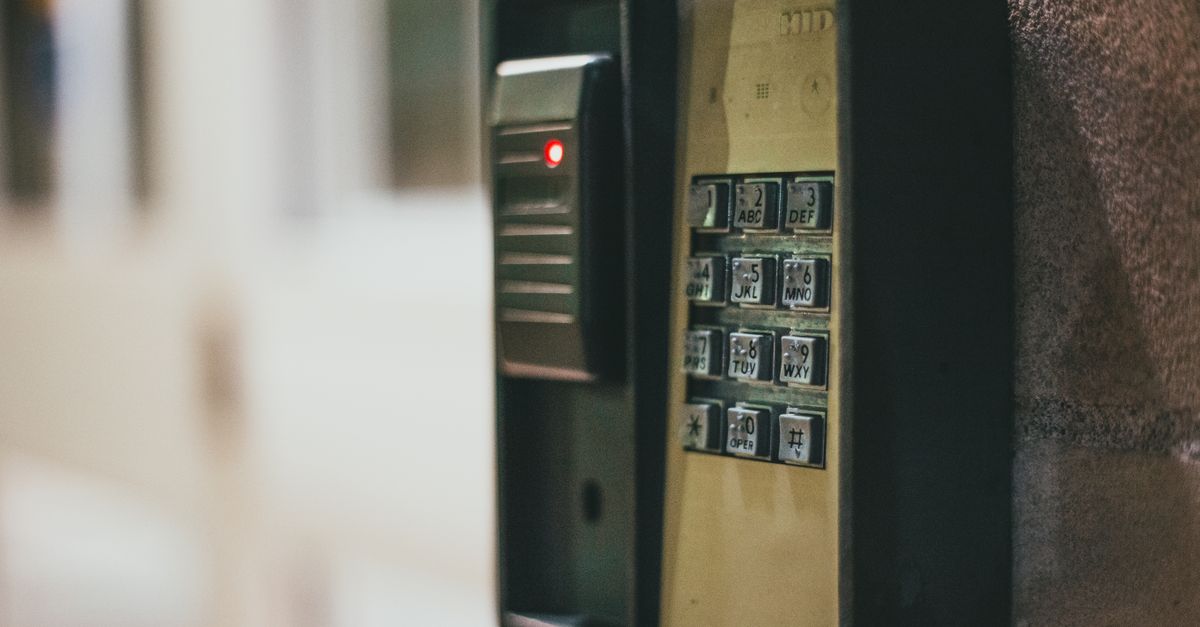
Electronic access control is no longer just for large corporations. Keypad entry, card readers, and fob systems are increasingly practical for small Charlotte businesses — especially those with after-hours staff, multiple locations, or high employee turnover. Unlike physical keys, electronic credentials can be deactivated instantly when someone leaves, with no rekeying required. Some systems log every entry and exit with a timestamp, which is valuable for both security investigations and HR purposes. For an Uptown office suite or a boutique in Dilworth, a well-chosen access control system can pay for itself quickly in reduced rekeying costs and administrative time.
That said, access control is not a one-size-fits-all solution, and the right system depends on your door count, internet infrastructure, budget cycle, and whether you need integration with an existing alarm or camera system. Factors that shape the scope of a project include the number of doors, the type of credential (keypad, fob, card, or mobile), whether you need audit trail reporting, and what mechanical backup you want for power outages. Our team assesses your space and walks you through options that make practical sense for your size and workflow — no overselling hardware you do not need. For after-hours emergencies or urgent access issues, our emergency commercial locksmith response is available around the clock.
## The Commercial Locksmith Checklist: 25 Services to Review for Your Charlotte Property
Run through this list against your current setup. Any gap is worth a conversation with a qualified commercial locksmith service before it becomes an incident. 1. Mortise lock installation and replacement on primary entry doors. 2. Rekeying after employee terminations or lease changes. 3. Master key system design and cylinder pinning. 4. Restricted keyway implementation for key control. 5. Panic bar installation and adjustment for code-compliant egress. 6. Panic bar maintenance and tension calibration. 7. Door knob lock upgrade to ANSI Grade 1 commercial hardware. 8. High-security deadbolt installation on rear and side entries. 9. Keypad access control installation. 10. Key fob and proximity card reader setup. 11. Electronic strike and electromagnetic lock installation. 12. Access control credential deactivation for departed employees. 13. Audit trail review and access log configuration. 14. Mortise lock cylinder replacement and re-keying. 15. Commercial door closer inspection and adjustment. 16. Strike plate reinforcement and door frame hardening. 17. Sliding door lock and security bar installation. 18. Roll-up gate and overhead door lock service. 19. Safe installation and combination changes for office safes. 20. File cabinet and desk lock replacement. 21. Glass storefront door lock service and repair. 22. Intercom and buzzer system integration with door hardware. 23. Emergency lockout response for staff locked out of offices or stockrooms. 24. After-hours security audit for new tenants taking over a space. 25. Lock hardware inspection following a break-in or attempted forced entry.
Many of these services involve factors that affect the final scope and cost of work — including the type and grade of hardware involved, the number of doors or cylinders, parts sourcing, and the time of day the work is needed. We always confirm an exact up-front price before any work begins, so there are no surprises on the invoice. To schedule a walkthrough or get a quote for your Charlotte office or storefront, call (704) 850-6756 — we answer 24 hours a day, seven days a week.
Frequently asked questions
Where can I find an emergency locksmith in Charlotte, NC?+
Charlotte NC Locksmith is a 24/7 mobile team serving the entire Charlotte area, including Uptown, South End, NoDa, Dilworth, Plaza Midwood, and surrounding neighborhoods. Because we are fully mobile, we come to your location — no storefront visit required. For immediate emergency commercial locksmith response, call (704) 850-6756 any time of day or night.
How much will an emergency locksmith cost for a commercial property?+
There is no single flat rate, because the scope varies significantly depending on the type of hardware involved, the complexity of the job, the parts required, the time of day, and how far we are traveling to your location. What we can promise is that we confirm an exact price with you before any work begins — you will never be handed a surprise invoice. Call (704) 850-6756 to describe your situation and get a clear quote upfront.
When should I rekey my commercial locks instead of replacing them entirely?+
Rekeying is the right call when your existing lock hardware is in good working condition but you need to invalidate old keys — for example, after an employee departure, a tenant changeover, or a lost key. Replacing the lock entirely makes more sense when the hardware is worn, damaged, not code-compliant, or when you are upgrading to a higher-security option like a mortise lock or electronic access control. Our team will inspect your current hardware and give you an honest recommendation either way.
Do small Charlotte businesses really need a mortise lock, or is a standard deadbolt enough?+
For most primary commercial entries — especially storefronts, lobby doors, and any door that sees consistent daily traffic — a mortise lock is the more appropriate choice. It integrates multiple security functions into a single reinforced body embedded in the door itself, which makes it significantly harder to defeat than a surface-mounted deadbolt. Standard deadbolts are fine for some interior or secondary applications, but if your front door is currently secured only by a door knob lock and a basic deadbolt, upgrading to a mortise lock is a meaningful security improvement worth discussing with a professional commercial locksmith.